

Coming home after surgery often feels like the hard part is over, but for many patients the real challenge is the weeks and months that follow. Recovery rarely moves in a straight line, and small setbacks like poor sleep, missed medications, or unmanaged pain can quietly stretch a two-week recovery into two months. Understanding the common culprits behind slow healing can help you spot problems early and get back on track faster. This article breaks down the most overlooked factors that delay post-surgical recovery and what you can do about each one.
Managing Pain Without Derailing Your Healing

Pain that goes untreated does more than make you uncomfortable, it can actually slow tissue repair by keeping your body in a stress response. When patients avoid moving because they are afraid of pain, muscles weaken and joints stiffen, which adds more time to the recovery timeline. On the other hand, overmedicating can cause grogginess, constipation, and reduced motivation to do the light activity your body needs. The goal is finding a balance where pain is controlled enough that you can still participate in basic movement and self-care.
Many people do not realize that persistent, poorly controlled pain is one of the top reasons patients end up back in an emergency hospital within the first two weeks of discharge. If your prescribed medication is not working, or side effects are making daily function harder, that is a signal to call your surgical team rather than tough it out.
Nutrition Gaps That Stall Tissue Repair
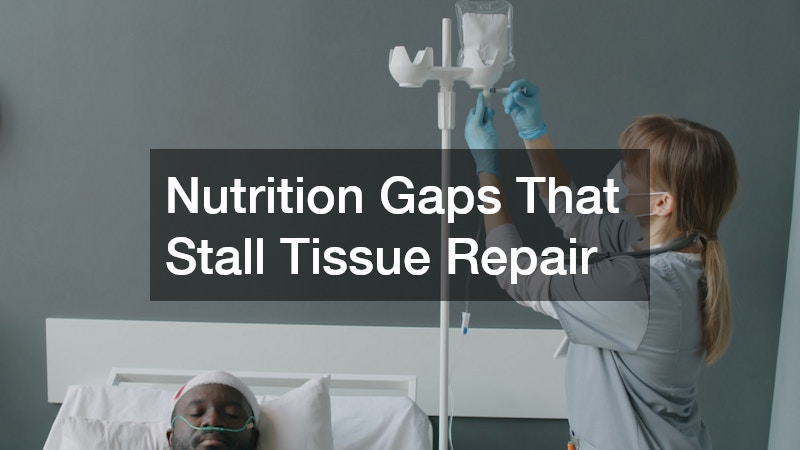
Your body needs significantly more protein, vitamin C, and zinc after surgery than it does on a normal day, because these nutrients directly support collagen production and wound closure. Many patients unintentionally eat less after a procedure due to nausea, reduced appetite, or difficulty preparing meals, which starves the body of exactly what it needs to rebuild tissue. This gap is one of the most fixable causes of delayed healing, yet it is frequently overlooked in discharge instructions.
Dehydration compounds the problem by thickening blood, reducing circulation, and making it harder for nutrients to reach healing tissue. Some patients benefit from supplemental fluids when oral intake is inconsistent, and providers sometimes recommend iv therapy to quickly correct dehydration or nutrient deficiencies when eating and drinking normally is difficult in the first days after a procedure.
- Aim for lean protein at every meal, including eggs, poultry, fish, or plant-based alternatives
- Include vitamin C rich foods like citrus, berries, and bell peppers to support collagen synthesis
- Keep water within reach and sip throughout the day rather than waiting until thirsty
- Ask your care team about a temporary multivitamin if appetite is low
Sleep Disruption and Its Effect on Wound Closure
Deep sleep is when the body releases growth hormone and repairs damaged tissue, so chronic sleep disruption after surgery can meaningfully slow wound healing. Pain, unfamiliar sleeping positions, and anxiety about the surgical site all interfere with normal sleep cycles during the first few weeks. Patients who sleep less than six hours a night after major surgery often report more fatigue, slower incision healing, and a harder time completing physical therapy exercises.
Simple adjustments like propping the surgical area with pillows, keeping the room cool, and avoiding screens before bed can meaningfully improve sleep quality. If pain is the main sleep disruptor, timing your last dose of medication closer to bedtime, with your provider’s approval, can help you get a fuller night of rest.
Infection Warning Signs You Should Never Ignore
Infections are one of the fastest ways to turn a normal recovery into a complicated one, sometimes requiring additional procedures or extended antibiotic courses. Redness that spreads, increasing warmth around the incision, or drainage that turns yellow or green are all signs that need prompt attention rather than a wait and see approach. Fever above 100.4 degrees Fahrenheit combined with any wound changes should be treated as urgent.
Recognizing these signs early and acting on them is far better than delaying, since untreated infections can spread quickly and become much harder to manage with oral antibiotics alone. Trust your instincts if something looks or feels wrong at the incision site, even if you are not running a fever yet, and contact your surgical team the same day rather than waiting for your next scheduled follow-up.
- Track incision appearance daily with a phone photo to spot gradual changes
- Watch for increasing pain after day five, which is unusual in normal healing
- Note any foul odor coming from the dressing or wound area
- Report chills or confusion immediately, as these can signal a systemic infection
Rebuilding Strength Through Structured Physical Therapy
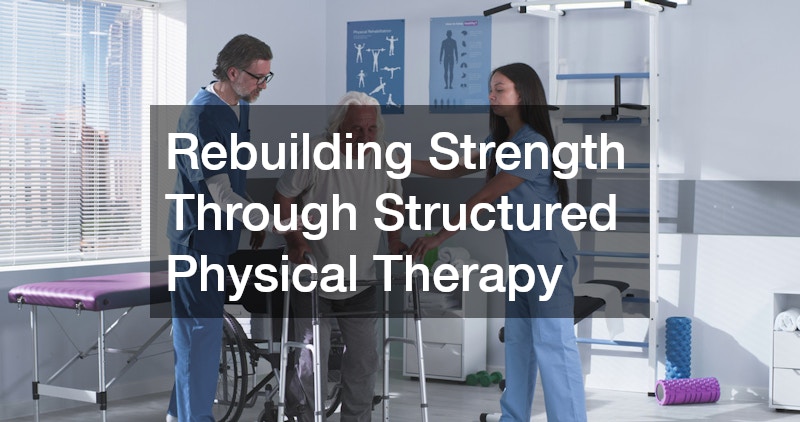
Skipping physical therapy sessions or not following through with home exercises is one of the most common reasons patients plateau in their recovery. Muscles and joints that are not moved regularly after surgery lose strength quickly, a process called deconditioning, which then requires even more work to reverse. Consistency matters more than intensity, especially in the first few weeks when your body is still stabilizing.
For patients recovering from chest, cardiac, or major abdominal surgery, breathing capacity can also take a hit, and structured pulmonary rehab is sometimes recommended to rebuild lung function safely. These programs combine supervised breathing exercises with gradual activity increases, helping patients avoid the shortness of breath and fatigue that can otherwise persist for months.
Emotional Health and Its Role in Physical Recovery
Anxiety, depression, and feelings of isolation are common after surgery, especially when mobility is limited and daily routines are disrupted. These emotional states are not just uncomfortable, they can actually slow physical healing by increasing inflammation and reducing motivation to engage in recovery activities like walking or eating well. Patients who feel supported and connected during recovery tend to report fewer complications and shorter overall recovery windows.
Talking openly with family, a counselor, or your surgical team about how you are feeling emotionally is just as important as reporting physical symptoms. Simple steps like maintaining light social contact, getting outside briefly when cleared to do so, and setting small daily goals can help counter the isolation that often accompanies a long recovery.
Coordinating In-Home Support During the First Weeks
Many recovery delays trace back to a simple problem, not having enough help at home during the period when patients need it most. Trying to manage wound care, medication schedules, meal preparation, and mobility alone often leads to missed doses, poor nutrition, or falls. Arranging a home care service in advance of surgery, rather than scrambling afterward, can prevent gaps in care during the critical first two weeks.
Professional home support can include help with bathing, light housekeeping, medication reminders, and transportation to follow-up appointments. Even a few hours of assistance a day can reduce stress on both the patient and family caregivers, freeing up energy for the rest they need to heal properly.
- Ask your surgeon’s office for a discharge planning checklist before your procedure date
- Arrange transportation for follow-up visits ahead of time
- Consider short-term help with meals and household tasks during the first two weeks
- Set up a simple medication schedule chart to avoid missed or doubled doses
Caring for Family Members and Pets During Your Own Recovery
It is easy to overlook how much energy goes into caring for others while you are supposed to be resting yourself. Lifting a toddler, chasing after a curious dog, or driving kids to school can quietly undo the healing progress your body is trying to make, even when it feels manageable in the moment. Parents recovering from surgery often push through pain to manage a child’s needs, when in reality lining up backup help ahead of time can relieve a significant mental burden. Practical planning matters here. Knowing where the nearest pediatric urgent care is located for non-surgery-related illnesses, having a neighbor on standby for school pickups, or arranging a pet sitter for daily walks are all small steps that prevent a minor issue from becoming a major setback. Pets deserve consideration too. A dog that needs twice-daily walks or a cat litter box that requires regular cleaning can involve bending, lifting, or twisting motions that are explicitly off-limits after certain procedures. Asking a friend or family member to handle these chores for the first one to two weeks can make a real difference in how smoothly recovery progresses. Having that information ready ahead of time means one less thing to figure out during an already stressful period.
Recovering while still responsible for family members can add pressure at exactly the moment your body needs rest. Kids may need rides to school, meals prepped, or help with homework, while an aging parent might depend on you for medication reminders or transportation to their own appointments. Lining up backup help in advance—whether that’s a neighbor, relative, or short-term caregiver—can prevent small tasks from turning into setbacks that delay your healing. Pet owners face a similar concern, since pets still need walks, feeding, and attention regardless of a household’s recovery status. A dog that requires two brisk walks a day or a cat with a litter box on a different floor of the house can quickly become a physical strain if you’re under lifting restrictions or limited mobility. Arranging a dog walker, asking a friend to handle feeding schedules, or temporarily boarding a pet with a family member are all worth considering before surgery rather than scrambling afterward. Knowing the location and hours of animal urgent care nearby means you are prepared if a pet has an emergency while you are unable to drive or lift them yourself, reducing one more source of anxiety during your healing window. Save the clinic’s phone number and address in your phone ahead of time, and confirm whether they accept walk-ins or require advance notice. Having a plan for who can transport your pet in a pinch—since a 40-pound dog or an anxious cat in a carrier isn’t something you should be handling post-surgery—can spare you from making a difficult decision while you’re still recovering.
Skin and Self-Care Considerations While Healing
Surgery, medications, and reduced mobility can all take a toll on your skin, leading to dryness, breakouts, or irritation that patients do not always expect. Pain medications and anesthesia can dehydrate the body, while stress hormones released during healing may trigger acne or eczema flare-ups even in people who rarely deal with skin issues. Antibiotics prescribed to prevent infection can also disrupt your skin’s natural bacterial balance, sometimes causing rashes or unexpected sensitivity. Restricted movement can also mean longer stretches without a proper shower, which affects both comfort and mood during recovery. Bandages, casts, or incision sites often make bathing tricky for days or even weeks, leading to a buildup of sweat, oil, and dead skin that can leave you feeling uncomfortable in your own body. In the meantime, unscented baby wipes, dry shampoo, or a gentle sponge bath around cleared areas can help you feel more refreshed without risking your surgical site. Once your surgeon clears you for normal activity, gentle skin care can be a meaningful part of feeling like yourself again. Start with a fragrance-free cleanser and a basic moisturizer rather than jumping back into a full routine of active ingredients like retinoids or exfoliating acids, which can irritate skin that’s still recovering. If breakouts or dry patches persist for more than a couple of weeks after you resume normal care, it’s worth mentioning to your doctor, since it could be a lingering medication side effect rather than something a new product will fix.
Skin often takes a back seat during recovery, but neglecting it for weeks can leave you feeling less like yourself even after the surgical healing is on track. Reduced mobility, medication side effects, and disrupted sleep can leave skin looking dull or dehydrated, which is why easing back into self-care routines matters just as much as the physical milestones. Some patients find that booking gentle facials near their recovery timeline, once fully cleared by their surgical team, helps mark a positive milestone and boosts morale after weeks of focusing solely on medical needs. Timing and treatment choice matter here. A facial scheduled too early, before incisions have fully closed or swelling has resolved, can introduce unnecessary risk, so most providers recommend waiting at least four to six weeks post-op, depending on the procedure. Even then, it’s worth choosing lighter options like hydrating or oxygen facials over anything involving extractions, chemical peels, or heavy massage, since those can irritate sensitive or still-healing skin. Similarly, once mobility improves, many people visit a med spa for light, non-invasive treatments that support circulation and relaxation without straining a healing body. Options like LED light therapy, gentle lymphatic drainage massage, or low-intensity microcurrent treatments are often well tolerated and can even help reduce residual swelling in some cases. These are not necessities, but they can be a meaningful part of returning to normal self-care routines once your provider gives the green light. Always loop in your surgeon or physical therapist before scheduling anything, since they can flag specific concerns based on your incision sites, medications, or overall healing progress.
Recovery delays are rarely caused by one single issue, they usually stem from a combination of small, manageable factors like pain, nutrition, sleep, and support at home. The good news is that most of these obstacles can be addressed proactively, often before surgery even takes place. Talk with your care team about a realistic recovery plan, line up help where you need it, and pay attention to your body’s warning signs along the way. Taking these steps will not guarantee a perfectly smooth recovery, but it will put you in a far stronger position to heal on schedule.