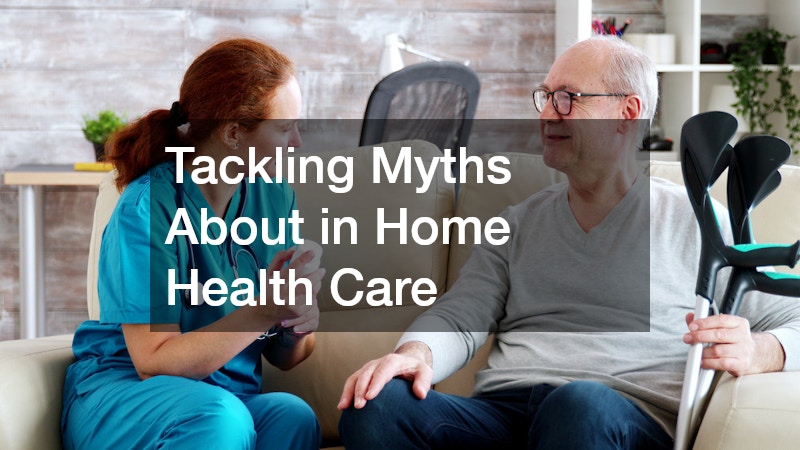
Understanding in home health care is key to dispelling misconceptions. This article addresses common myths to open a conversation about the realities of receiving health care services at home.
Myth 1: In Home Health Care is Only for the Elderly
Understanding the Broader Demographics
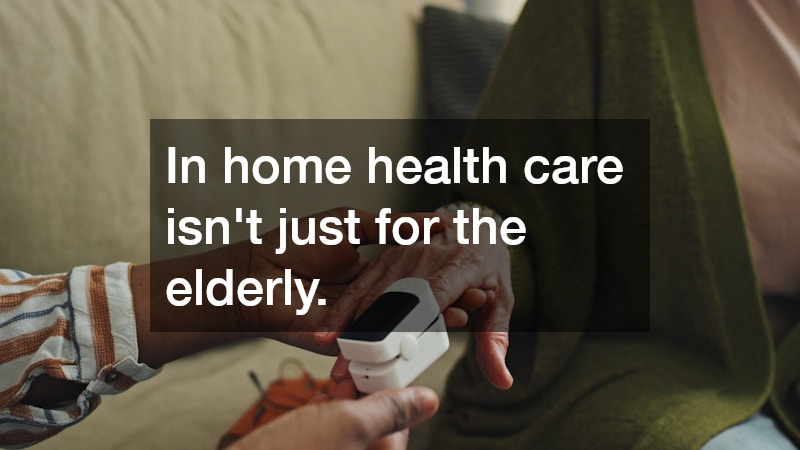
In home health care isn’t just for the elderly; it serves children, young adults, and anyone needing specialized care. Those recovering from surgery or managing chronic illnesses benefit greatly from these services.
These services are tailored to health conditions, not age, providing invaluable support for diverse needs.
Services for All Ages
Age isn’t a barrier to in home health care, which includes pediatric, post-operative, and pain management services, emphasizing tailored and flexible care solutions.
Benefits Beyond Age
In home care offers personalized assistance in familiar settings, promoting healing and allowing patients to maintain independence, crucial for all ages.
Care Needs Across Ages
Care requirements vary by age, from pediatric support to mobility assistance for the elderly. Providers tailor services to bridge medical needs and personal preferences.
Demographic Trends
The rising demand for comprehensive care affects all age groups, underscoring the need for adaptable in home health care services.
Myth 2: All In Home Health Care Services Are the Same
Diverse Types of In Home Health Care
Services range from skilled medical care to non-medical personal assistance, ensuring care matches patient needs rather than fitting a one-size model.
Customized Care Plans
In home care involves creating personalized plans addressing unique health needs, enhancing treatment efficacy and outcomes.
Technology Integration
Technology in home health care enables vital monitoring and remote consultations, empowering patient engagement and autonomy.
Care Provider Expertise
Providers offer specialized knowledge tailored to conditions from neurodegeneration to pediatric needs, ensuring aligned care. Regular updates and continuous learning are crucial for providers to keep up with the latest treatment modalities.
Choosing the Right Service
Understanding service capabilities and customization ensures high-quality care aligned with health goals. Evaluating patient feedback can also significantly enhance the decision-making process.
Myth 3: In Home Health Care is Not As Effective As Hospital Care
Health Outcomes
Studies show home care improves healing and satisfaction due to personalized care in familiar settings.
Cost-Effectiveness
Home care is often more economical than hospital stays, lowering costs by reducing additional treatments and complications. Studies show that home care can lead to significant healthcare savings, especially for chronic conditions.
Quality of Personal Care
Home care offers comprehensive personal services, enhancing patient wellbeing beyond hospital capabilities. The personalized attention received at home contributes to better health management.
Patient Satisfaction
Patient satisfaction is higher at home, improving outcomes through comfort and control over the care process. This heightened satisfaction is linked to the feeling of security and familiarity with being treated in one’s own environment.
Evidence Supporting Home-Based Care
Research supports home care effectiveness, with lower hospitalization rates and greater patient satisfaction. The evidence indicates a strong correlation between home care and improved quality of life for patients.
Myth 4: In Home Health Care is Too Expensive
Cost Comparison
Home care can be more affordable than hospitals and nursing homes, with reduced costs for lodging and transportation.
Insurance Coverage
Insurance plans often cover home care services, enhancing their financial accessibility.
Budgeting for In Home Care
Strategic budgeting and a variety of service packages make home care economically viable for many.
Financial Assistance and Resources
Financial aid, grants, and community programs help offset home care costs, enhancing access.
Economic Benefits
Home care reduces hospitalization needs, offering broad economic advantages by encouraging preventive care.
Myth 5: In Home Health Care Deprives Family Involvement
Family Roles in In Home Care
Home health care encourages family participation in care, strengthening dynamics and supporting care continuity.
Enhancing Family Communication
Open communication fosters mutual understanding and aligns care goals with patient needs.
Balancing Professional and Family Care
Professional caregivers complement family involvement, ensuring comprehensive care without overburdening families.
Support Systems for Families
Support structures like respite services and workshops aid families, empowering ongoing involvement in care.
Encouraging Family Participation
In home care promotes family partnerships to ensure personalized and culturally sensitive care, involving families as essential participants.
Debunking myths reveals in home health care is versatile and valuable. Embracing its potential promotes well-being, economic efficiency, and satisfaction, positioning home care as a viable alternative to traditional models.