

Aging is an inevitable part of life that can present numerous challenges. As the years progress, maintaining a quality of life requires attentive care and often a helping hand. In home care is an increasingly popular option, offering seniors the comfort of staying in their own homes while receiving the support they need.
Understanding In Home Care
In home care is a service designed to help elderly individuals live independently in their familiar environment. This type of care can range from assistance with daily activities to full-time medical support.
By providing such services, “in home care” ensures that seniors enjoy both safety and autonomy.
Caregivers working in this field are trained professionals who understand the nuances of aging. They offer personalized assistance, ensuring that each person’s unique needs are met with dignity and respect. Their role is crucial as they help bridge the gap between the individual’s current health needs and their wish to remain at home.
Services offered by in home care providers can include meal preparation, personal hygiene assistance, and even physical therapy among others. Care plans can be tailored to the evolving needs of the elderly, which makes “in home care” a flexible and adaptive solution. This approach promotes independence while providing necessary support.
The Benefits of In Home Care
One of the most significant advantages of in home care is its ability to offer a high level of personalized attention. In contrast to a nursing home environment, individuals receiving care at home benefit from one-on-one support. This fosters stronger relationships between caregivers and clients, often improving the quality of care.
Moreover, aging in place can have positive effects on mental and emotional well-being. Familiar surroundings are comforting and can help reduce stress and anxiety. With “in home care,” seniors maintain their social connections within their community, which is invaluable for emotional health.
Financially, in home care can be a more viable option compared to alternative living arrangements. It provides necessary care without the costs associated with room and board in nursing facilities. Tailored care plans ensure that families only pay for the services they need, making it a cost-effective choice.
Choosing the Right In Home Care Provider
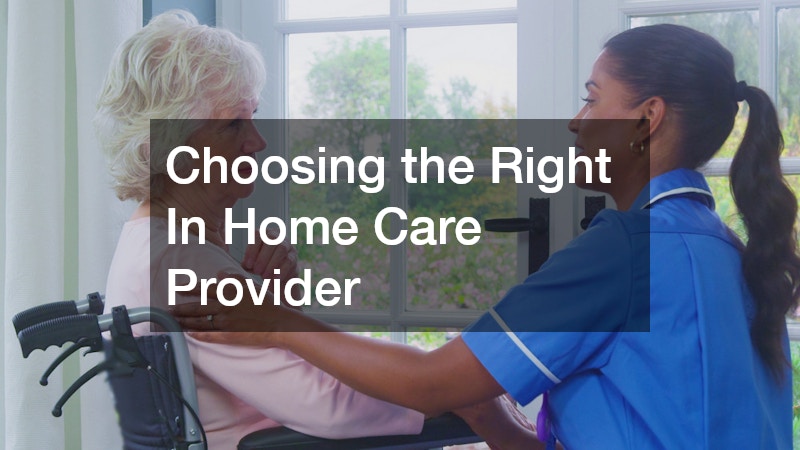
Selecting an in home care provider requires careful consideration. It’s essential to evaluate the specific needs of the aging individual to match them with suitable services. Researching various providers and reading reviews can help families make informed decisions.
Interviewing potential caregivers is a critical step to determine compatibility. Asking questions regarding their experience, certifications, and approach to care provides insight into their professionalism and empathy. Finding a caregiver who resonates well with the individual fosters a deeper sense of trust.
Finally, ongoing evaluation and communication with the provider ensure that the care continues to meet the changing needs of the elderly. Regular assessments allow for adjustments to the care plan as health conditions evolve. By doing so, families can rest assured that their loved ones are receiving optimal in home care.
In home care offers a compassionate and practical option for seniors wishing to age gracefully in their own homes. Through personalized care, emotional support, and financial feasibility, it bridges the gap between independence and assisted living. By making informed choices about caregivers and maintaining open communication, families can ensure a comfortable and dignified aging journey for their loved ones.