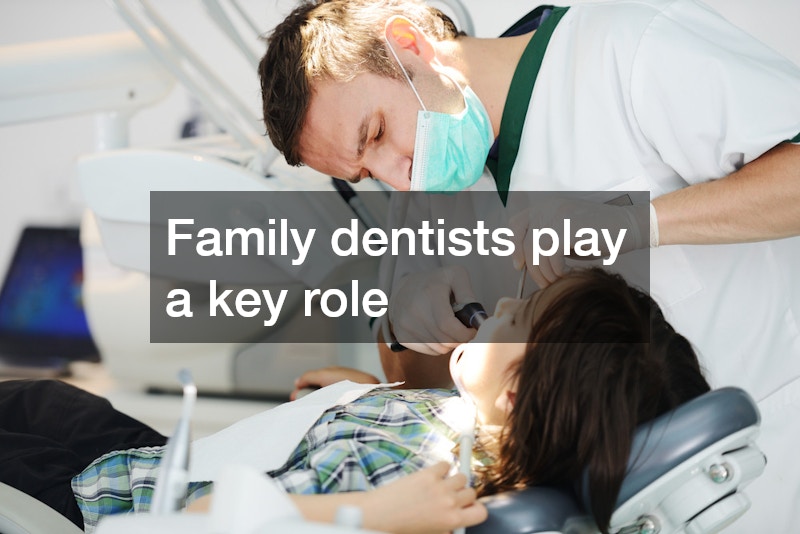

Preventive care is one of the most important aspects of maintaining long-term health, and oral health plays a significant role in that process. Many people think of dental visits as something to schedule only when a problem arises, but routine care helps identify issues early and reduces the risk of more serious complications over time. From childhood through older adulthood, consistent dental care supports overall wellness, improves quality of life, and helps individuals avoid unnecessary discomfort and expense.
Oral health is closely connected to other areas of the body. Conditions such as gum disease have been linked to broader health concerns, including cardiovascular issues and diabetes.
Because of this connection, preventive dental care is not just about maintaining a healthy smile—it also contributes to overall physical health. Establishing consistent habits and receiving regular evaluations can make a meaningful difference in long-term outcomes.
This is where family dentists play an essential role. By providing care for patients at every stage of life, they create a consistent and reliable approach to prevention. This article explores how comprehensive dental care supports individuals of all ages and why it remains a key component of a healthy lifestyle.
Building Healthy Habits Early in Life
Preventive care often begins in childhood, where early experiences can shape lifelong habits. Regular dental visits help children become comfortable with the environment while also teaching them the importance of oral hygiene. These early appointments focus on monitoring development, identifying potential concerns, and reinforcing proper brushing and flossing techniques.
Parents benefit from guidance on how to support their child’s oral health at home. This includes advice on nutrition, fluoride use, and habits such as thumb-sucking that may affect dental development. By addressing these factors early, children are less likely to develop cavities or other issues that require more extensive treatment later on.
Establishing a routine from a young age creates a strong foundation for long-term oral health. When preventive care becomes a normal part of life, individuals are more likely to continue these habits into adulthood.
Supporting Adolescents and Young Adults
As children grow into adolescents, their dental needs begin to change. Orthodontic concerns, wisdom teeth development, and lifestyle factors such as diet and oral hygiene habits become more significant. Preventive care during this stage focuses on monitoring these changes and providing guidance to help maintain healthy teeth and gums.
Teenagers and young adults may face unique challenges, including increased consumption of sugary foods and beverages or inconsistent hygiene routines. Regular dental visits provide an opportunity to reinforce healthy behaviors and address any emerging concerns before they become more serious.
Family dentists help bridge the transition from childhood to adulthood by providing consistent care and education. This continuity ensures that patients remain engaged in their oral health and understand the importance of preventive practices.
Maintaining Oral Health in Adulthood
For adults, preventive care plays a key role in maintaining both oral and overall health. Routine checkups and cleanings help remove plaque buildup, identify early signs of gum disease, and detect potential issues such as cavities or oral infections. Addressing these concerns early often prevents the need for more complex and costly treatments.
Lifestyle factors such as stress, diet, and certain health conditions can impact oral health during adulthood. Regular dental visits allow professionals to monitor these influences and provide personalized recommendations. This may include advice on improving oral hygiene routines, managing sensitivity, or addressing signs of wear on teeth.
Consistent care helps adults maintain strong, healthy teeth while also supporting their general well-being. Preventive measures reduce the likelihood of unexpected dental problems and contribute to a higher quality of life.
Addressing the Needs of Older Adults
As individuals age, their dental needs continue to evolve. Older adults may experience changes such as gum recession, tooth wear, or increased sensitivity. In some cases, they may also require solutions for missing teeth or other age-related concerns. Preventive care remains essential for managing these changes and maintaining oral function.
Regular dental visits help monitor overall oral health and identify potential issues before they progress. This is particularly important for individuals with chronic health conditions, as oral health can influence and be influenced by other medical factors.
Family dentists provide continuity of care that is especially valuable for older adults. By understanding a patient’s history and ongoing needs, they can offer tailored recommendations that support both comfort and long-term health.
Supporting Overall Health and Wellness
Oral health is closely connected to overall health, making preventive dental care an important part of a broader wellness strategy. Conditions such as gum disease have been linked to systemic health issues, highlighting the importance of maintaining healthy teeth and gums.
Regular dental visits provide an opportunity to monitor these connections and address any concerns early. By supporting oral health, patients also contribute to their overall well-being. This holistic approach emphasizes the value of preventive care as part of a comprehensive health plan.
Family dentists play a key role in promoting this connection by providing consistent care and education. Their approach helps patients understand how oral health fits into the bigger picture of overall wellness.
Family dentists provide a valuable service by offering comprehensive care that adapts to the changing needs of patients over time. Their ability to support individuals at every age creates a sense of continuity and encourages long-term engagement with oral health practices.
Ultimately, prioritizing preventive care leads to better outcomes, improved confidence, and a healthier future. By making regular dental visits a consistent part of life, individuals can protect both their oral health and their overall wellness for years to come.