
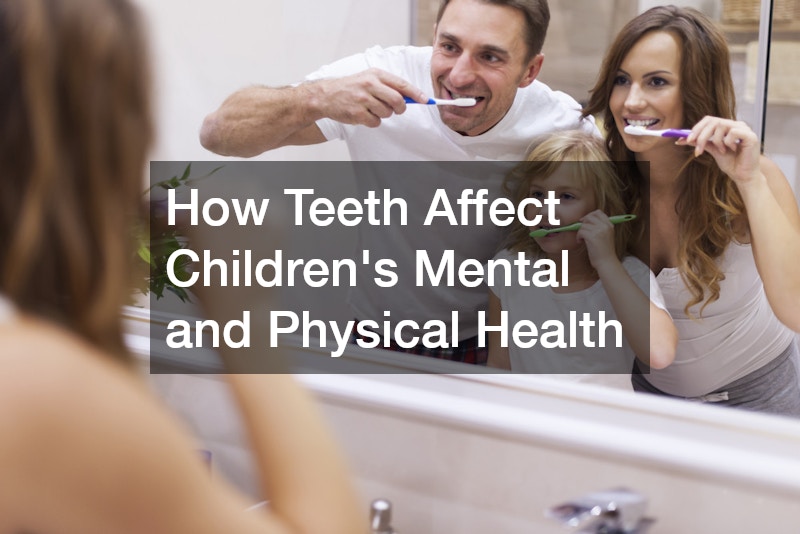
When tracking childhood milestones, parents naturally focus on obvious markers of growth: tracking height on a door frame, celebrating first steps, or monitoring school report cards. Yet, one of the most transformative elements of a child’s overall development remains quietly hidden in plain sight, right inside their mouth. A child’s mouth is a dynamic ecosystem that acts as a primary gateway to both the body and the mind, influencing everything from systemic physiological wellness to deep-seated psychological confidence.
As medical research maps the intricate connections between localized health and systemic outcomes, the mouth-body connection has emerged as a critical frontier in modern wellness. Chronic dental issues do not just cause localized discomfort; they disrupt nutritional intake, alter sleep architecture, trigger inflammatory responses, and reshape how a child views themselves in relation to peers. By looking closely at how dental health intertwines with both the physiological and psychological spheres, caregivers can shift their perspective, transforming oral hygiene from a daily chore into a vital act of holistic healthcare.
The Biological Intersection of Oral and Physical Health
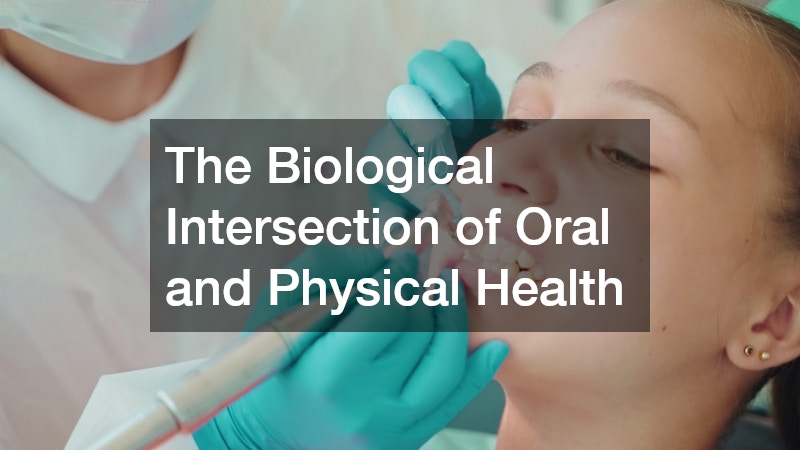
The human mouth is home to billions of microorganisms essential for the initial stages of digestion and immune defense. When oral hygiene is neglected or structural abnormalities go unaddressed, harmful bacteria proliferate, creating a state of chronic inflammation that can have widespread systemic repercussions on a child’s forming body.
Optimizing Daily Nutrition and Texture Progression
A child experiencing chronic dental pain or structural misalignment will naturally alter their eating habits to avoid discomfort. This often means rejecting hard, fibrous, nutrient-dense foods like raw vegetables and lean meats in favor of softer, highly processed alternatives. Over time, these dietary shifts can lead to significant nutritional deficiencies that impact development. Relying on routine care within general dentistry ensures that decay is caught early, preserving the mechanical ability to chew healthy foods.
-
Introduce age-appropriate texture progression early in life to monitor how your child handles different food consistencies.
-
Investigate potential structural or bacterial issues if a child consistently pushes away specific textures.
-
Encourage a diet rich in calcium, phosphorus, and vitamins to naturally fortify protective enamel.
Supporting Healthy Sleep Patterns and Airway Function
The architecture of a child’s oral cavity plays a decisive role in the quality of their respiration, particularly during sleep. Pediatric sleep apnea and mouth breathing are frequently linked to narrow palates, misaligned jaws, or severe dental crowding. Achieving proper teeth alignment is essential not just for a straight smile, but for opening the airway to prevent fragmented sleep, nighttime oxygen desaturation, and chronic daytime fatigue.
-
Remain vigilant for signs of nocturnal mouth breathing, heavy snoring, or frequent nighttime awakenings.
-
Address structural oral anomalies early to prevent the long-term cognitive and behavioral issues associated with pediatric sleep deprivation.
-
Create a calming bedtime routine that includes meticulous brushing and flossing to reduce the bacterial load overnight.
The Psychological Landscape of a Child’s Smile
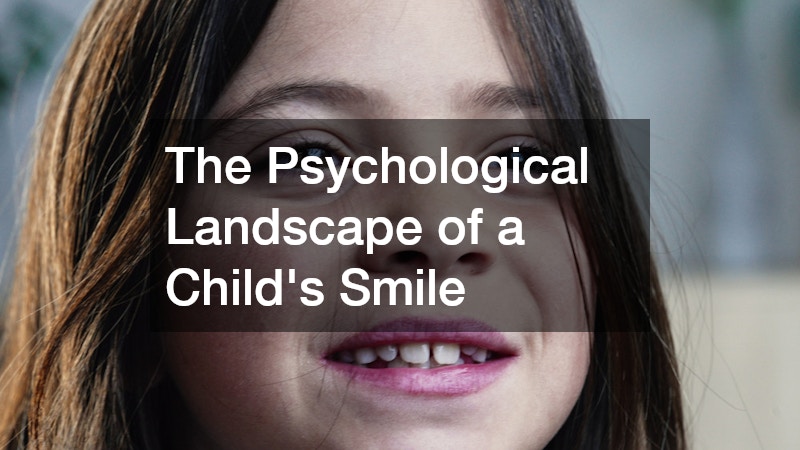
During formative childhood years, self-concept is highly fragile and heavily influenced by social interactions. A child’s smile is their primary tool for non-verbal communication, playing a central role in how they project confidence, express joy, and interpret the world around them.
Cultivating Authentic Social Confidence in Peers
Children become aware of societal beauty standards and peer differences at a remarkably young age. A child who is self-conscious about visible decay or pronounced misalignment will often adopt coping mechanisms to hide their teeth, such as covering their mouth when laughing or avoiding smiling altogether. For adolescents concerned with aesthetics, options like invisible braces offer a discreet way to correct alignment without adding to their social anxieties.
-
Praise your children for the effort they put into their self-care routines rather than focusing solely on aesthetic perfection.
-
Create a positive dialogue around oral health, framing it as a way to keep the body strong and vibrant.
-
Explore modern, subtle corrective methods to give your teenager a sense of control over their appearance.
Mitigating the Emotional Impacts of Teasing
Visible dental differences are, unfortunately, a frequent target for childhood teasing and bullying. Children who experience targeting due to their teeth are at a significantly higher risk for developing low self-esteem, symptoms of anxiety, and school avoidance behaviors. Utilizing advanced alignment systems like invisalign allows teenagers to undergo necessary structural changes comfortably and invisibly, reducing the risk of social vulnerability.
-
Maintain open channels of communication by asking specific questions about school dynamics and social comfort.
-
Validate your child’s feelings without judgment if they express distress regarding their physical appearance.
-
Work together with professionals to explore safe, modern solutions that help them regain a sense of security among peers.
Establishing the Right Professional Support
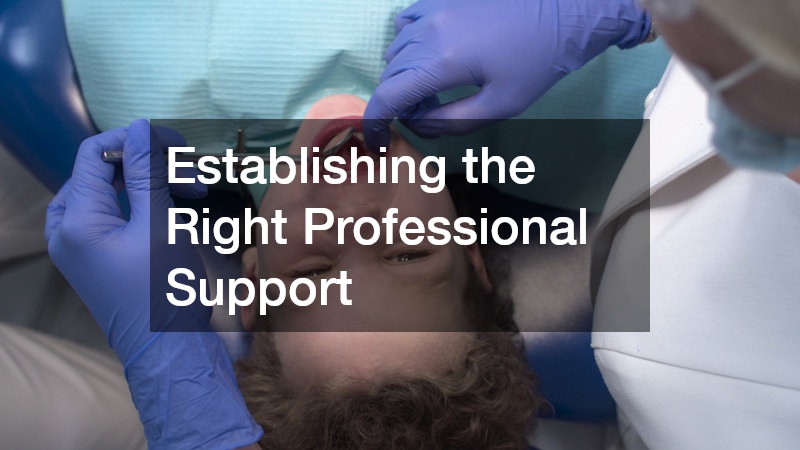
Achieving a harmonious balance of physical and mental wellness through oral health requires a proactive approach to professional care. Navigating the clinical environment successfully involves establishing early trust and building positive habits that last a lifetime.
Choosing a Welcoming Environment for Early Visits
Early experiences in a medical setting heavily dictate a person’s future relationship with healthcare. Initial dental visits must be free from trauma and anxiety to prevent lifelong avoidance of care. A welcoming dentists office provides an ideal setting for these formative interactions, offering an environment tailored to building trust with young, impressionable patients through patience and positive reinforcement.
-
Practice positive reinforcement at home, avoiding using medical visits as a threat for poor behavior.
-
Bring a child along to watch an older sibling’s successful checkup to demystify the clinical environment.
-
Choose providers who take the time to explain their instruments in child-friendly terms to alleviate fear.
Creating a Cohesive Routine for the Whole Household
Managing multiple healthcare appointments across different locations can place a heavy logistical burden on busy families, sometimes leading to delayed care. Streamlining this process by utilizing practices that offer family dentistry allows parents and children to receive care under the same roof. This integrated approach saves time and allows parents to model excellent oral health behaviors directly for their children.
-
Coordinate family scheduling to normalize dental care as a shared household rhythm rather than an isolated chore.
-
Model excellent hygiene habits at home, showing children that oral care is a vital priority for adults, too.
-
Foster shared accountability by brushing and flossing together as a regular family evening activity.
Managing Specialized Development and Care Crises

As a child’s facial bones grow, complex structural or unexpected situational challenges can arise. Addressing these issues requires an understanding of when to seek specialized skeletal guidance or urgent treatment.
Monitoring Skeletal Alignment and Facial Growth
As the facial skeleton develops, structural imbalances can emerge that affect a child’s ability to chew, speak, and breathe comfortably. While a traditional orthopedic clinic focuses on the broader skeletal system, specialized oral professionals focus intently on the relationship between the jaw joints and facial bones. Catching jaw discrepancies early allows providers to guide bone growth effectively before the facial structure solidifies.
-
Monitor your child’s growth spurts closely to allow practitioners to intervene during windows of maximum skeletal adaptability.
-
Watch for structural indicators of strain, such as a child complaining of a tired jaw after eating hard foods.
-
Address severe jaw discrepancies early to reduce the total time required for corrective alignment later in adolescence.
Preparing for Unexpected Playground Injuries
Childhood is filled with unpredictable movements, and accidental trauma to the mouth is remarkably common during sports or playground play. Knowing how to handle a dental emergency minimizes long-term structural and emotional damage. Having immediate access to a trusted emergency dental service ensures that a fractured or dislodged permanent tooth can be stabilized within the critical hour following an injury.
-
Keep a small emergency kit on hand containing clean gauze and saline solution to preserve a dislodged permanent tooth.
-
Preserve a knocked-out tooth by handling it only by the crown, never the root, and keeping it moist.
-
Discuss emergency oral injury protocols with school coaches, nurses, and babysitters so everyone can react calmly.
Navigating the Operational Framework of Healthcare
Behind every successful health journey lies a framework of logistical and financial planning. Managing the operational side of healthcare ensures that children receive uninterrupted support throughout their critical developmental years.
Planning for Long-Term Financial Sustainability
The financial aspects of managing long-term healthcare can sometimes feel overwhelming to parents. Just as a medical business relies on a specialized dental cpa to maintain its fiscal integrity and compliance, families must navigate financial structures to ensure care remains sustainable. Being proactive about understanding billing, payment plans, and treatment phasing allows parents to make informed decisions without compromising on quality.
-
Ask for clear breakdowns of costs and explore flexible financing options that distribute the financial impact over time.
-
Discuss treatment phasing with clinical staff to balance medical urgency with household financial planning.
-
Budget effectively for future developmental needs, such as custom athletic mouthguards, to avoid unexpected expenses.
Maximizing Annual Healthcare Policy Benefits
Maximizing the resources provided by a health insurance company is a crucial element in maintaining consistent preventive and corrective care. Navigating the specific clauses, pre-authorization requirements, and coverage limits of a policy ensures that families avoid unexpected out-of-pocket expenses for their children’s treatments.
-
Review your policy details annually, paying close attention to network restrictions and allowances for structural adjustments.
-
Work closely with the administrative staff at the provider’s office to clarify how benefits apply to specific treatment plans.
-
Utilize available preventative coverage frameworks fully to catch minor issues before they become costly emergencies.
Structural Interventions: Balancing Aesthetics and Function
When addressing the physical landscape of a child’s mouth, the line between functional necessity and aesthetic improvement often blurs. Structural irregularities are rarely just cosmetic concerns; they fundamentally alter the mechanical forces at play within the oral cavity.
The Mechanical Implications of Structural Realignment
When teeth are crowded, rotated, or severely misplaced, the natural forces of mastication are distributed unevenly across the jawbone. This uneven distribution can lead to premature wear on specific teeth, localized muscle fatigue, and chronic strain on the temporomandibular joints. Undergoing a strategic process of teeth alignment corrects these mechanical imbalances, ensuring that the pressure generated by chewing is distributed evenly across the entire arch.
-
Watch for subtle indicators of mechanical strain, such as a child complaining of a tired jaw after eating or avoiding specific chewy foods.
-
Examine primary or permanent teeth for uneven wear patterns that suggest an unbalanced bite distribution.
-
Take advantage of the natural elasticity of growing facial bones by addressing alignment issues during childhood.
-
Promote lifelong, comfortable oral function by establishing a properly balanced bite early in development.
Enhancing Long-Term Cleanliness and Disease Prevention
Beyond the structural and mechanical advantages, properly positioned teeth are significantly easier to clean effectively. Crowded or overlapping teeth create tight, inaccessible spaces where food particles and plaque easily accumulate, sheltered from the bristles of a toothbrush or the sweep of standard floss. Over time, these hidden stagnation zones become breeding grounds for chronic decay and localized gum disease.
-
Empower your children to maintain excellent oral hygiene independently by ensuring each tooth occupies its proper position in the arch.
-
Make standard brushing and flossing techniques highly effective by eliminating crowded, hard-to-reach nooks.
-
Boost your child’s confidence in their ability to care for their body through achievable, thorough cleaning routines.
-
Lower the incidence of adulthood periodontal issues by investing in early structural harmony.
The mouth is a powerful mirror and modulator of a child’s overall health. The physical benefits of robust oral wellness—ranging from optimized nutrition and restful sleep to the prevention of systemic infections—form the bedrock upon which a child’s body grows strong. Simultaneously, the psychological benefits provide the emotional framework necessary for a joyful, confident life.
Transforming this understanding into daily practice requires consistency, empathy, and a willingness to see oral hygiene as an essential component of whole-body wellness. When we support our children in caring for their smiles, we are doing far more than preventing cavities; we are helping them build a secure sense of self. By prioritizing early diagnostics, embracing modern advancements, and navigating the professional care landscape with confidence, families can completely eliminate the barriers that poor oral health places in front of a growing child, allowing them to face the world with a resilient body and an authentic expression of inner joy.