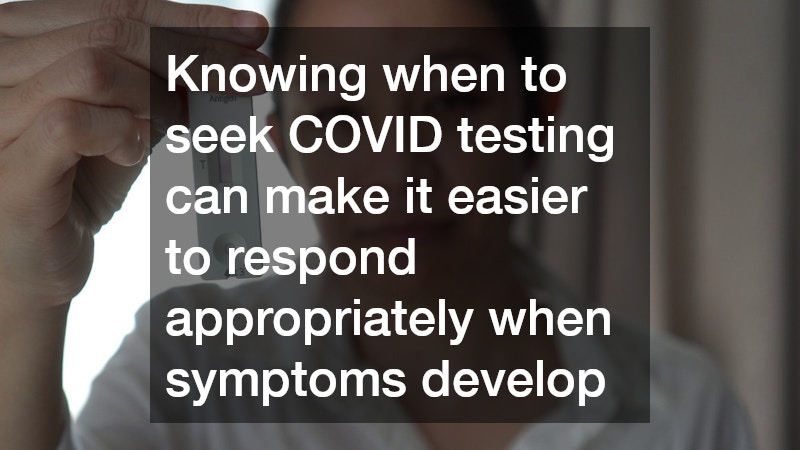

Respiratory illnesses can develop at any time of the year, and many of them share similar symptoms. A sore throat, cough, fever, congestion, or fatigue can make it difficult to determine whether you have a common cold, the flu, COVID-19, or another viral infection. Because these illnesses often present in similar ways, testing can play an important role in identifying the cause of your symptoms and helping you make informed decisions about your health. Understanding when to seek testing can also help reduce the spread of illness and provide peace of mind during times of uncertainty.
Pay Attention to New or Worsening Symptoms
One of the most common reasons to consider COVID testing is the development of symptoms commonly associated with COVID-19. While the severity of symptoms varies from person to person, many people experience fever, cough, sore throat, congestion, body aches, headaches, fatigue, or a loss of taste or smell.
Others may have gastrointestinal symptoms or only mild discomfort.
Even if your symptoms seem minor, they should not be dismissed. Many respiratory viruses begin with mild symptoms before becoming more severe. Testing can help determine whether COVID-19 may be the cause, allowing you to make informed decisions about work, school, family gatherings, and other daily activities. It can also help you know when to seek additional medical care if your condition changes.
Symptoms That Develop After Travel
Travel often increases your exposure to large groups of people in airports, airplanes, public transportation, hotels, conferences, and other shared environments. Even when precautions are taken, respiratory viruses can spread more easily in crowded settings.
If you begin feeling sick after returning home, testing may help determine whether COVID-19 is responsible for your symptoms. Identifying the cause allows you to make informed decisions about returning to work, attending social gatherings, or seeking medical evaluation if your symptoms worsen. It also helps you take appropriate precautions to reduce the risk of exposing family members, coworkers, and others in your community.
Understanding Your Testing Options
Several testing methods are available, and each has its own purpose. Rapid antigen tests provide results relatively quickly and may be useful when immediate information is needed. Laboratory-based PCR tests generally offer greater sensitivity and may be recommended in situations where confirmation is necessary or when symptoms continue despite an initial negative rapid test.
Choosing the most appropriate test often depends on your symptoms, the timing of a possible exposure, and guidance from your healthcare provider. Understanding the differences between available options can help you make decisions that best fit your individual circumstances.
What to Do While Waiting for Results
The time between taking a test and receiving the results can feel uncertain, but it remains important to take reasonable precautions during this period. If you were tested because you developed symptoms or because you may have been exposed to someone with COVID-19, limiting close contact with others is generally recommended until you know your results.
Practicing good hygiene, covering coughs and sneezes, and staying home whenever possible can help reduce the spread of respiratory illnesses. These precautions are valuable regardless of whether your illness ultimately turns out to be COVID-19, influenza, or another viral infection.
Understanding Positive and Negative Results
A positive test result generally indicates an active COVID-19 infection and should be followed by the recommendations provided by your healthcare provider or local public health officials. Following current guidance can help protect both your health and the well-being of those around you.
A negative result may not always provide a complete answer. Testing very early after exposure or during the earliest stages of illness can sometimes produce a negative result even if infection is present. If symptoms continue, worsen, or new symptoms develop, repeat COVID testing may be appropriate based on medical guidance. Your healthcare provider can help interpret your results alongside your symptoms and recent exposure history to determine the most appropriate next steps.
Staying Prepared Throughout the Year
COVID-19 continues to circulate alongside many other respiratory viruses, making it important to remain aware of your health throughout the year. Paying attention to new symptoms, practicing good hygiene, staying home when you feel ill, and following current public health recommendations can all help reduce the spread of illness within your family and community.
Being proactive about your health does not mean becoming overly concerned every time you develop a cough or sore throat. Instead, it means recognizing when testing may provide useful information that supports timely decisions and appropriate care. Staying informed allows you to respond confidently while helping protect those around you.
Knowing when to seek COVID testing can make it easier to respond appropriately when symptoms develop, after a possible exposure, before visiting vulnerable individuals, or when required for work or travel. Acting at the right time helps you better understand your health, make informed decisions, and reduce the risk of spreading illness to others. When you are unsure whether testing is necessary, speaking with a healthcare provider can help you determine the most appropriate course of action based on your individual situation.