
Chronic stress does not stay locked in your mind. It shows up on your face and body as breakouts, dullness, premature lines, and slow-healing irritation that no amount of concealer can fully hide. The good news is that skin damaged by anxiety is not permanently damaged. Once you understand the biology behind stress-related skin changes, you can start reversing them with the right combination of daily habits, medical support, and targeted treatments.
How Cortisol Breaks Down Your Skin Barrier
When you experience prolonged stress, your body releases cortisol at elevated levels for extended periods, often staying measurably higher than normal for weeks after the stressor even seems to pass. This hormone signals your skin to produce more oil, weakens collagen production, and slows the natural repair process that normally happens overnight while you sleep.
Cortisol does this by directly interfering with fibroblasts, the cells responsible for building collagen and elastin. Studies on chronic stress show collagen synthesis can drop noticeably when cortisol stays elevated, which means your skin loses the scaffolding that keeps it firm and bouncy. At the same time, excess oil production clogs pores and creates the perfect environment for stress-related breakouts.
Overnight repair suffers too, since skin cell turnover and blood flow to the skin both peak during deep sleep. Chronic stress disrupts sleep quality and shortens the time spent in these restorative stages, cutting short the window your skin has to rebuild itself. This is why stressed people often wake up looking just as tired as when they went to bed.
Over months or years, this creates a visible pattern of thinning skin, increased sensitivity, and a compromised barrier that lets moisture escape too easily. You may notice redness that flares more easily, products that used to feel fine now stinging, or a general dullness that no amount of moisturizer seems to fix. This is the cumulative signature of cortisol quietly undoing your skin’s ability to protect and renew itself.
Cortisol doesn’t just sit in your bloodstream quietly — it actively interferes with the processes that keep skin functioning as a barrier. It suppresses the production of ceramides, cholesterol, and fatty acids, the lipids that hold skin cells together and lock moisture in. Without them, water escapes more easily and irritants get in more easily, a one-two punch that leaves skin dehydrated, reactive, and inflamed.
This lipid breakdown also slows down skin cell turnover, so dead cells linger on the surface instead of shedding normally. The result is skin that looks tired even when you feel rested, with a rough texture and uneven tone that seems resistant to your usual skincare routine. You may also notice that products that used to work fine, like a retinol or vitamin C serum, suddenly cause stinging or redness because the barrier can no longer buffer them. Many people notice this shift gradually, which makes it easy to dismiss as normal aging rather than a stress response.
A breakout pattern that shows up along the jawline during a high-pressure work week, or dryness that appears out of nowhere despite no change in weather or products, are both common tells. Chronic elevated cortisol has also been linked to reduced collagen synthesis, meaning prolonged stress can accelerate the very fine lines and sagging most people associate purely with age. Recognizing the connection is the first step toward addressing the root cause instead of just treating symptoms. Someone layering on richer moisturizers or booking extra facials without addressing the underlying stress load is often just managing surface-level damage while the barrier keeps eroding underneath.
Stress Breakouts and Flare-Ups Explained
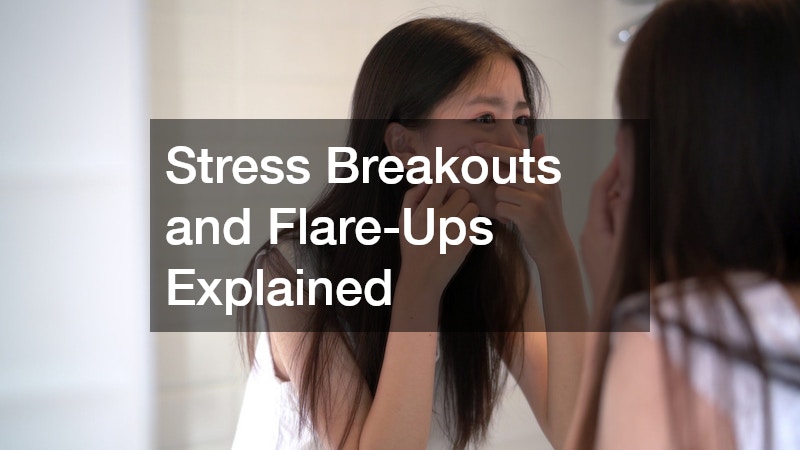
Anxiety triggers your sebaceous glands to produce excess oil, which combines with dead skin cells and clogs pores more frequently than usual. This is why many adults who never struggled with acne as teenagers suddenly find themselves dealing with breakouts along the jawline and chin during high-stress periods. Conditions like eczema, rosacea, and psoriasis also tend to flare during emotionally difficult stretches because inflammation markers rise alongside cortisol.
- Jawline and chin breakouts often correlate with sleep disruption and elevated stress hormones.
- Rosacea flare-ups frequently follow spikes in emotional tension or poor sleep quality.
- Eczema patches may worsen within 24 to 48 hours of a stressful event.
- Picking or touching your face during anxious moments introduces bacteria and worsens inflammation.
Premature Lines and Volume Loss From Chronic Worry
Repeated facial tension, like furrowing your brow or clenching your jaw, etches expression lines deeper over time, and stress accelerates this by reducing collagen and elastin production. Combined with poor sleep and dehydration, this leads to a face that appears more hollow and lined than your actual age would suggest. Many people first notice this around the eyes and mouth, where skin is thinner and more expressive.
Addressing this often requires more than moisturizer. Some people explore options at a medspa where licensed professionals offer treatments designed to rebuild lost volume and stimulate new collagen growth without surgery. These visits typically start with a consultation to assess your specific skin concerns before recommending a personalized plan.
Professional Treatments That Rebuild Collagen
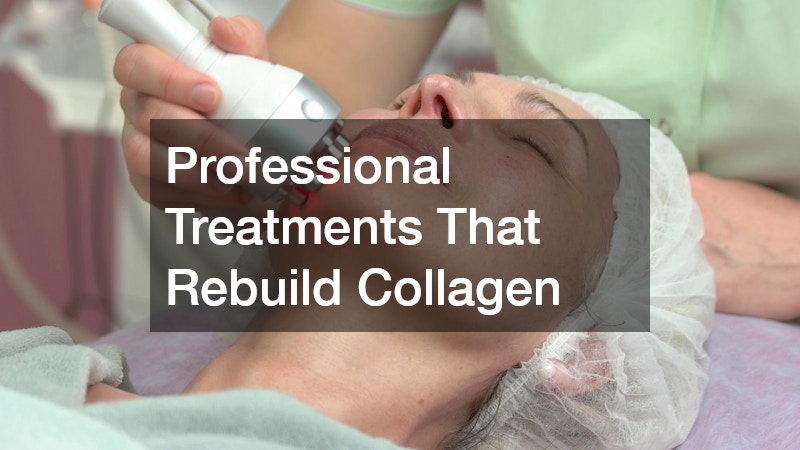
For skin that has lost firmness due to long-term stress exposure, certain in-office procedures can meaningfully speed up recovery. Skin tightening microneedling creates controlled micro-injuries that prompt your body to generate fresh collagen and elastin, gradually improving texture and firmness over several sessions. This approach works well for people who want visible improvement without extended downtime.
Another option gaining popularity is CoolPeel, a laser treatment that resurfaces skin while minimizing the redness and recovery time associated with older laser technologies. It works by removing damaged outer layers to reveal smoother skin underneath, which can be particularly helpful for stress-related texture changes and fine lines. Both treatments work best when paired with consistent at-home care rather than used as a one-time fix.
- Skin tightening microneedling typically requires three to six sessions spaced several weeks apart.
- Coolpeel offers shorter recovery time compared to traditional ablative laser resurfacing.
- Results from either treatment build gradually as collagen regenerates over following months.
- Combining treatments with sunscreen and hydration extends and protects your results.
Sleep Disruption and Its Visible Effects on Skin
Anxiety and poor sleep feed each other in a frustrating cycle, and your skin pays the price. During deep sleep, your body performs most of its cellular repair, so consistently cutting this process short means fewer resources devoted to fixing daily damage from sun exposure and pollution. This shows up as puffiness, dark circles, and a duller complexion that concealer struggles to fix.
If sleep problems persist despite lifestyle changes, it is worth discussing with your doctor rather than assuming it will resolve on its own. Persistent insomnia tied to anxiety sometimes requires a structured treatment plan, and ignoring it only compounds the visible and internal effects of stress over time.
Nutrition Choices That Support Skin Recovery

What you eat directly influences inflammation levels throughout your body, including your skin. Diets high in refined sugar and processed carbohydrates trigger rapid insulin spikes, which increase levels of insulin-like growth factor 1 (IGF-1) and excess oil production, both linked to worsened breakouts.
Diets richer in protein and healthy fats, on the other hand, tend to support steadier blood sugar and calmer, less reactive skin. Cortisol, the primary stress hormone, compounds this problem by increasing blood sugar on its own. Pairing chronic stress with a diet full of white bread, sugary snacks, and sodas essentially doubles the metabolic load on your skin, making breakouts and dullness more likely.
This is why many people notice their skin flares up most during periods that combine emotional strain with poor eating habits. They find that shifting toward low carb meals during high-stress periods helps reduce the frequency and severity of breakouts. Practical swaps include replacing refined grains with vegetables, legumes, or small portions of whole grains, and prioritizing lean proteins like eggs, fish, and poultry alongside sources of healthy fat such as avocado, olive oil, and nuts. Omega-3 fatty acids deserve particular attention, since they help regulate the skin’s inflammatory response and may soften the impact of stress hormones.
Foods like salmon, walnuts, and flaxseeds are worth incorporating a few times a week. Even small, consistent dietary adjustments during stressful stretches can measurably support clearer, more resilient skin.
- Leafy greens (spinach, kale) and colorful vegetables (bell peppers, berries) supply vitamins A, C, and E, antioxidants that help counter stress-related inflammation and neutralize free radicals.
- Fatty fish like salmon, mackerel, and sardines provide omega-3s that support skin barrier repair; aim for two servings a week, or consider an algae-based supplement if you’re plant-based.
- Reducing sugary snacks and refined carbs can help stabilize blood sugar swings tied to stress eating, since spikes trigger inflammation that breaks down collagen.
- Staying hydrated (roughly 8 glasses of water daily) supports collagen function and overall skin elasticity.
- Fermented foods like yogurt, kefir, and kimchi support gut health, which is increasingly linked to calmer, less reactive skin during stress.
- Magnesium-rich foods, including almonds, pumpkin seeds, and dark chocolate, may help blunt cortisol’s effects on the body and skin.
When to Involve Your Doctor in Skin Concerns
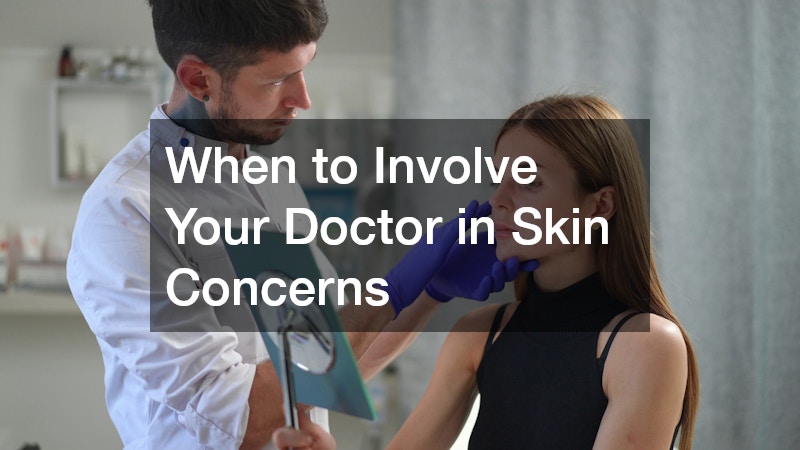
Not every skin issue can be solved with topical products or lifestyle tweaks, especially when anxiety itself needs direct attention. Primary care doctors can evaluate whether your skin symptoms are tied to an underlying condition, medication side effect, or unmanaged anxiety that needs its own treatment plan. They can also refer you to a dermatologist or mental health specialist if your symptoms suggest a deeper issue.
Sometimes skin problems arrive alongside other physical symptoms of anxiety, like chest tightness, stomach issues, or sudden rashes that need prompt evaluation. In situations where symptoms escalate quickly, an urgent care visit can rule out infection or allergic reaction before you wait for a scheduled appointment. Knowing when to seek immediate care versus routine care helps you avoid unnecessary worry while still catching real problems early.
Substance Use, Recovery, and Skin Restoration
For some people, chronic stress leads to coping habits like excessive alcohol consumption, which dehydrates skin, depletes vitamin A, and accelerates visible aging far beyond what stress alone would cause. Skin often shows some of the earliest visible signs of alcohol overuse, including persistent redness, puffiness, and a grayish undertone that lingers even after a single heavy night. Recovery from these habits benefits skin recovery too, since the body can finally redirect resources toward repair rather than processing toxins.
For those whose drinking has become difficult to control on their own, structured support through alcohol rehab offers both medical supervision and long-term strategies for lasting change. Skin improvements are rarely the primary motivation for seeking treatment, but many people report clearer, more hydrated skin within weeks of stopping alcohol use. This physical improvement can serve as encouraging, visible proof that recovery is working.
Practical Home Adjustments That Ease Daily Stress
Reducing the physical friction of daily life can lower baseline stress levels in ways that indirectly benefit your skin. Small environmental changes often have an outsized impact on anxiety levels, particularly for people managing mobility limitations, chronic pain, or caregiving responsibilities. Installing a wheelchair lift, for example, can remove a daily source of physical strain and frustration for people or family members navigating stairs multiple times a day.
Beyond mobility, comfort-focused choices matter too. Updating outdated eyeglass frames might seem unrelated to skin health, but eye strain and squinting contribute to facial tension that deepens lines around the eyes over time. Small quality-of-life upgrades like these reduce cumulative physical stress, which supports both mental well-being and the skin’s ability to recover.
Caring for Pets as Part of Stress Management
Pets provide measurable stress relief, and maintaining their health is part of keeping that relationship low-stress rather than another source of anxiety. Regular checkups at an animal hospital help catch health issues early, preventing the emotional toll of a sudden pet emergency, which can spike cortisol levels just as much as a personal health scare. A well-cared-for pet routine adds structure and calm to daily life, indirectly supporting your own stress levels and skin health.
Simple routines, like consistent walks or feeding schedules, also encourage you to step outside, move your body, and get natural light exposure, all of which support healthier cortisol rhythms. This ripple effect from pet care to personal stress reduction is easy to overlook but genuinely impactful over time.
Conclusion
Reversing stress-related skin damage requires addressing both what you see in the mirror and what is happening beneath the surface. Start with the fundamentals of sleep, nutrition, and stress management, then bring in professional support, whether that means a dermatology consultation, a doctor’s visit, or a structured recovery program, when needed. Your skin reflects your overall health, and small consistent changes compound into real, visible improvement over time.